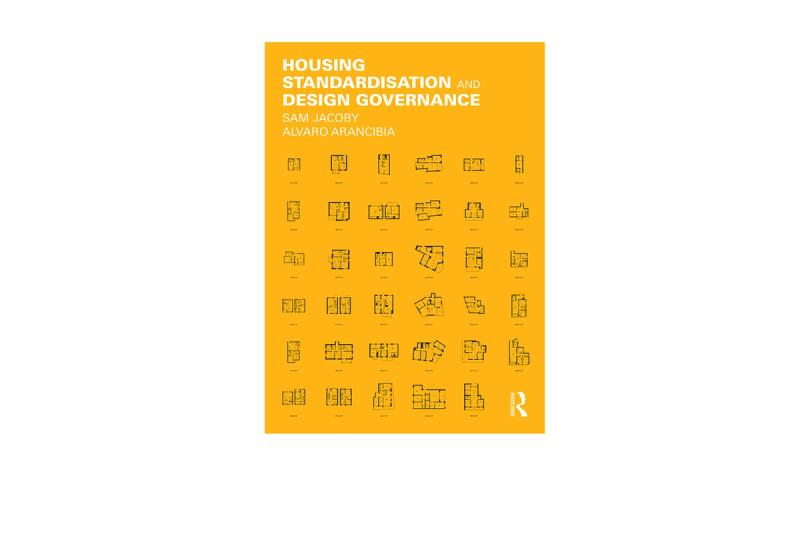
Housing Standardisation
The Architecture of Regulations and Design Standards
People
Partners
Pontificia Universidad Catolica de ChileFunding
UK Arts and Humanities Research Council, Prosit Philosophiae Foundation, Royal College of ArtThemes
Home, IntergenerationalKeywords
- ,
- ,
Considering the central economic and social role of housing, and the fact that most people spend more than half of their lives at home, we know surprisingly little about what the average home looks like, what or who designs these homes, how this varies between countries, or what it is like to live in these homes. While high-quality and well-designed homes are widely regarded as essential to wellbeing and social equity, the definition of ‘good design’, how to achieve it, or its relationship to architecture is often not very clear. Significant disagreement on how to define and measure housing design quality has resulted in inconsistent and substandard housing outcomes. For instance, we found that only 43% of recently completed affordable housing in England met the Nationally Described Space Standard.
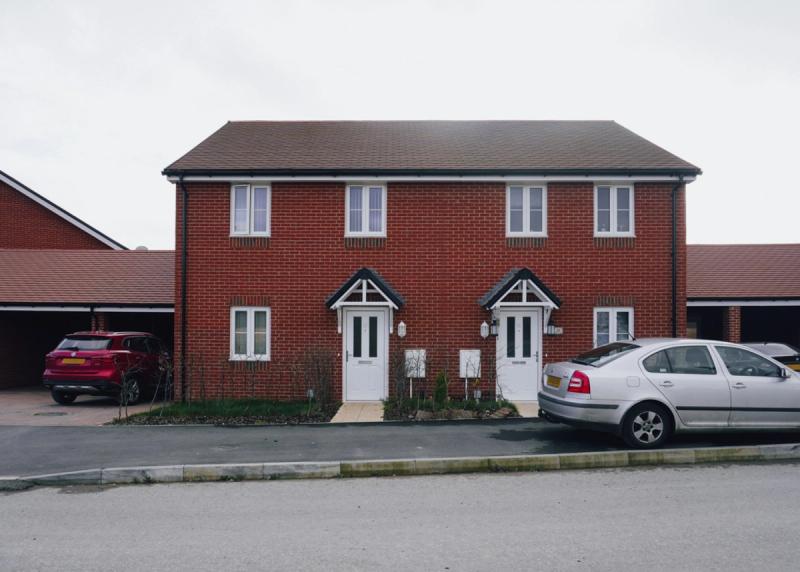
Most housing is highly standardised in design, style, and construction, especially when built at scale by large housebuilders who favour standard dwelling types, as this saves costs and is low risks. According to the Royal Institute of British Architects, only 6% of new UK housing is directly designed by architects. In subsidised housing – whether public, social, or affordable – which is typically designed to just meet minimum standards, not the architect but housing design governance, shaped by mandatory and voluntary policies, regulations, codes, and guidelines, is increasingly important to ensure that housing is decent.
This study of housing standardisation explores the far-reaching impact of design governance on the quality and type of new subsidised housing. There is limited research on the tangible value of architectural design to the life of residents or how housing design decisions are determined by regulations and standards and their underpinning drivers. This project examines how design governance is specific to a time and place, shaped by socio-political housing agendas, evolving socio-technical norms, and socio-cultural housing expectations, all of which impact the criteria and decision-making processes determining housing and its design quality.
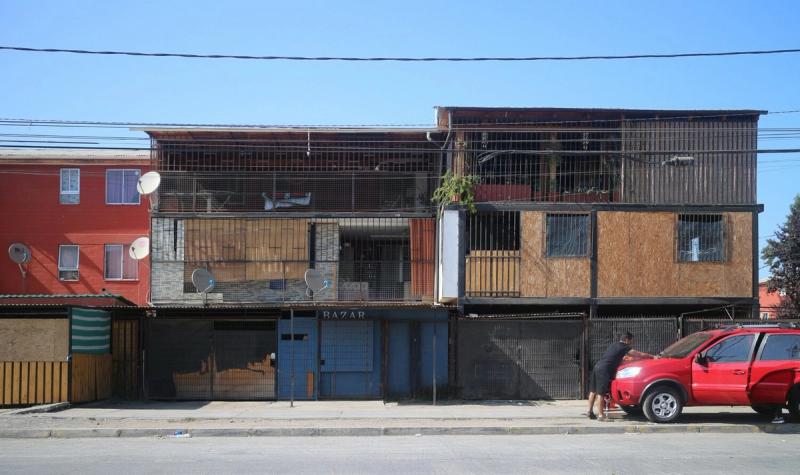
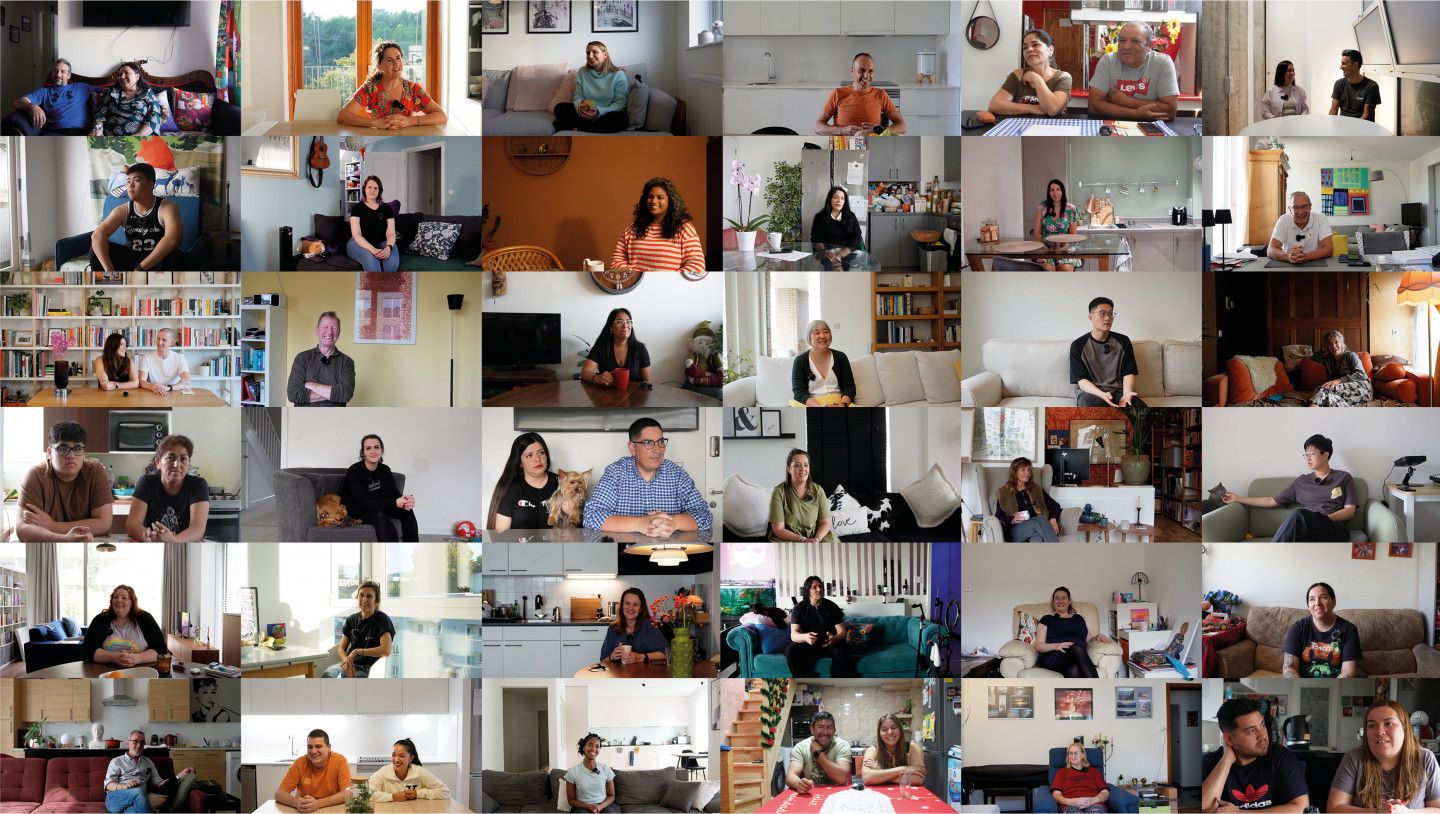
The need for subsidised housing typically arises from the failure of the free housing market to provide affordable and decent housing, compelling the government to extensively intervene in housing supply through direct or indirect subsidies. This project investigates design governance in both historical and contemporary contexts of regulatory cultures, regimes, and instruments in England and Chile – two countries particularly known for their neoliberal housing policy – but also includes a comparison with Spain, the Netherlands, Switzerland, and China, which represent a diverse range of housing systems and subsidised housing approaches. The project is interested in the housing produced by design regulations and standards, their effectiveness, and how residents experience and perceive their homes and their design quality.
Our findings highlight the difficulty in defining global minimum housing standards, and that standards and housing quality tend to considerably vary even nationally. There are also significant differences between the assumptions or evidence underpinning universal standards and the lived experiences of residents and actual uses of homes. This indicates important limitations of regulations and standards in capturing the needs of the most vulnerable. This study therefore seeks to uncover the richness of housing experiences and diversity of standards, and the questions this raises for equitable housing quality.
PROJECT TEAM
Professor Sam Jacoby (Royal College of Art)
Dr Alvaro Arancibia (Pontificia Universidad Católica de Chile)
Lucia Alonso (Royal College of Art)
Dr Seyithan Özer (Royal College of Art)
Consuelo Albornoz (Pontificia Universidad Católica de Chile)
Claudia Andrea Chavarría (Pontificia Universidad Católica de Chile) RESEARCHERS
Dr Raül Avilla-Royo (ETSAB Barcelona)
Associate Professor Lu Wang (South China University of Technology)
Gianna Bottema
Salome Rohner (ETH Wohnforum)
Dr Robin Roussel (Royal College of Art) FUNDER
UK Arts and Humanities Research Council (Project Reference AH/W003198/1), with additional support by the Royal College of Art, Pontificia Universidad Católica de Chile, the Built Environment Trust, the Prosit Philosophiae Foundation, and the L'Institut Metropolità de Promoció de Sòl i Gestió Patrimonial (AMB:IMPSOL).