Collective City
Seoul Biennale of Architecture and Urbanism 2019, Thematic Exhibition
People
Funding
City of Seoul, Hett Nieuw Instituut, StimuleringsfondsThemes
Intergenerational, Home, ClimateKeywords
- ,
- ,
- ,
- ,
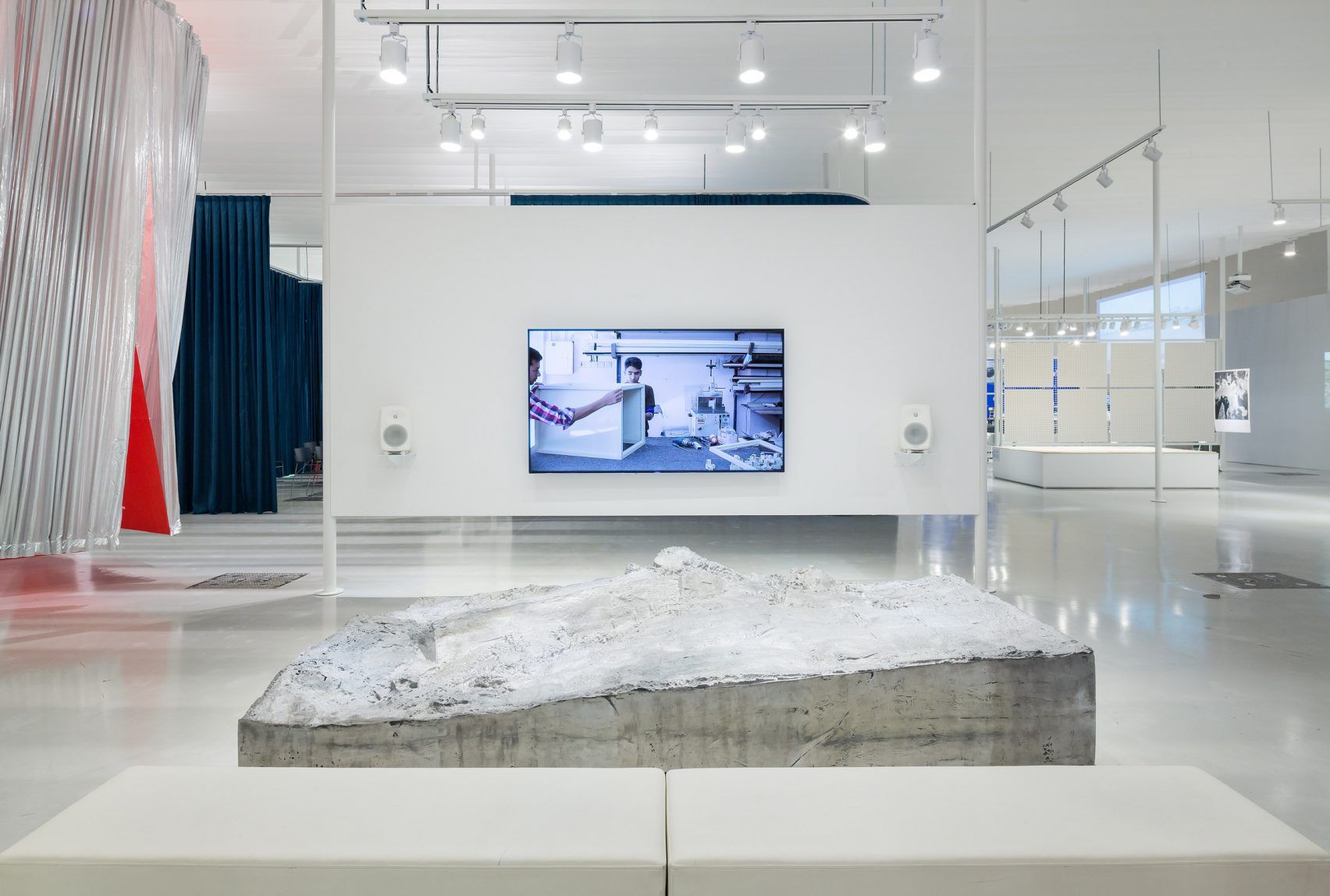
Collective City was the curatorial framework for the Thematic Exhibition of the 2019 Seoul Biennale of Architecture and Urbanism (SBAU). Bringing together 48 participating architects, seven artist films, 21 archival films and a screening programme, the exhibition explored the historic question of the collective and its contemporary potential to offer alternative logics for architecture and city-making.
The exhibition reframed collectivity through architecture’s role as a social agent and its capacity to shape urban transformation. While architectural debates of the 1960s and 1970s—through figures including Herman Hertzberger, Jaap Bakema and Fumihiko Maki, and movements such as Metabolism—often understood collective form through its spatial and tectonic expression, Collective City asked how collective systems might instead operate as instruments for change. Projects explored collective approaches to public space, natural resources, wildlife and ecologies, architectural heritage, and community-led development, presenting alternative models of practice to dominant paradigms of urbanisation.
The project included the curation, exhibition design, film programme, publications and public events. The curatorial research combined archival and literature research, conference participation, peer review, participant dialogues and the development and review of commissioned proposals. Contributions from practices, researchers and artists around the world were contextualised through a parallel programme of commissioned artist films and archival material, exploring the relationships between collective practices, places and human subjects.
The exhibition design extended this curatorial proposition spatially. Rather than presenting contributions as discrete projects, works were co-located within an open-field condition, creating associative, overlapping relationships between different perspectives and forms of collective action. Together, they were presented as part of a common project of change, capable of operating beyond individual interventions to reorganise larger urban systems.
Collective City extended beyond the architectural discipline through engagement with mayors, planners, policymakers and academic institutions. Its legacy continued beyond the Biennale through the influence of case studies presented in the exhibition on subsequent urban policy and debate in Seoul.