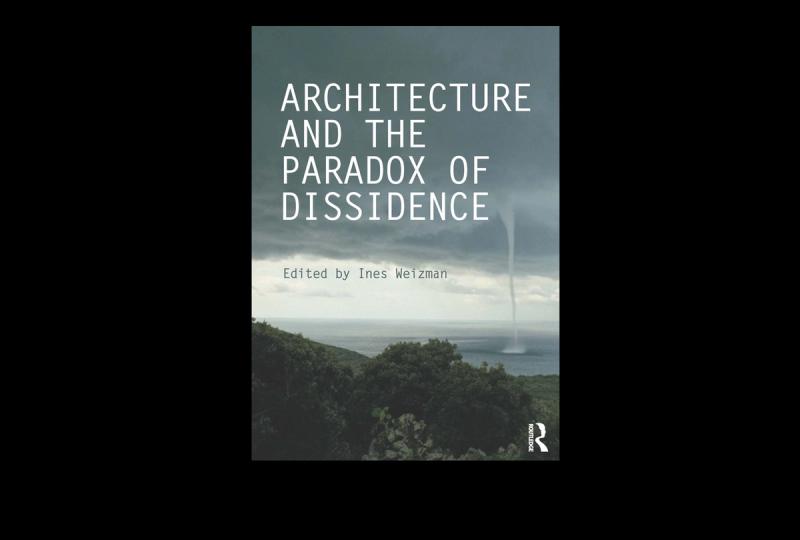
Architecture and the Paradox of Dissidence
People
Themes
Climate, Representation, Water, HomeThis research project reflects on the relevance of the concept of dissidence for architects today. Although dissidence is primarily associated with the political and cultural practices of individuals in the Eastern Bloc during the Cold War, contemporary aesthetic practices have in recent years developed a range of new methodologies and techniques for articulating their distance from, and critique of, dominant political and financial structures. The project maps the possibility of dissidence in architecture across a variety of historical and geographical contexts. Rather than separating contemporary architectural gestures and techniques of dissent from the political struggles of the Cold War, it asks how these practices, as well as the dilemmas associated with them, connect to a deeper and more complex history.
Bringing together architectural practice, scholarship, and political theory, the project constructs a multifaceted lexicon of concepts that may point towards possible ways forward for politically and theoretically committed architects.